

Professional HVAC Solutions for Austin's Residential Needs
- Winder Moll
- Nov 16, 2025
- 5 min read

Austin's climate can be unpredictable, with scorching summers and chilly winters. As a homeowner, ensuring your HVAC system is efficient and reliable is crucial. This blog post explores professional HVAC solutions tailored to meet the unique needs of Austin residents. From installation to maintenance, we will cover everything you need to know to keep your home comfortable year-round.
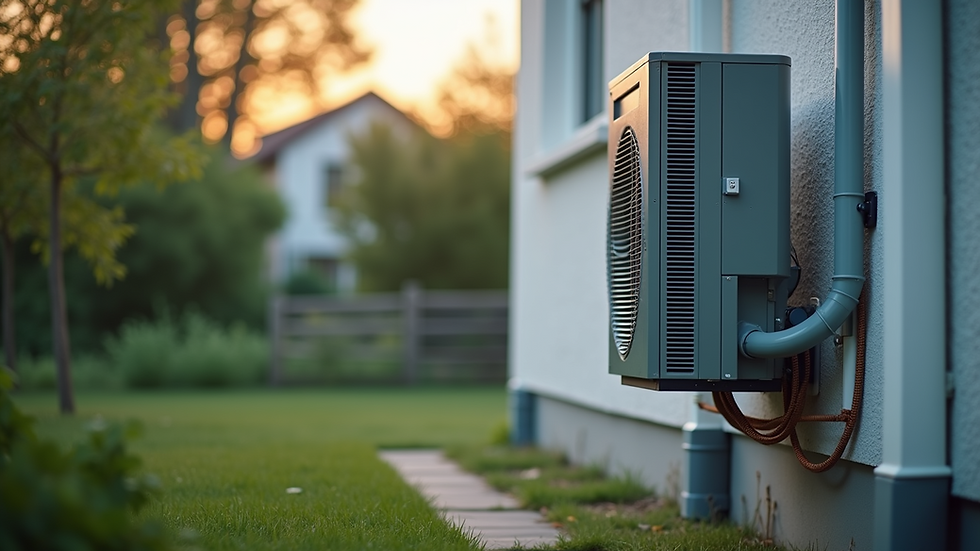
Understanding HVAC Systems
What is HVAC?
HVAC stands for Heating, Ventilation, and Air Conditioning. It encompasses the technology used to regulate indoor environments, ensuring comfort through temperature control, air quality, and humidity management. A well-functioning HVAC system is essential for maintaining a healthy and comfortable home.
Types of HVAC Systems
There are several types of HVAC systems available, each with its own advantages and disadvantages. Here are the most common types:
Central Air Conditioning Systems: These systems use ductwork to distribute cool air throughout the home. They are ideal for larger homes and provide consistent cooling.
Ductless Mini-Split Systems: These systems are perfect for homes without existing ductwork. They consist of an outdoor unit and one or more indoor units, allowing for zoned heating and cooling.
Heat Pumps: Heat pumps can both heat and cool your home. They are energy-efficient and work well in moderate climates, making them a popular choice in Austin.
Furnaces: Furnaces are typically used for heating and can be powered by gas, electricity, or oil. They are effective for keeping homes warm during colder months.
Understanding the different types of HVAC systems can help you make an informed decision when selecting the right one for your home.
Choosing the Right HVAC System for Your Home
Factors to Consider
When selecting an HVAC system, consider the following factors:
Home Size: The size of your home will determine the capacity of the HVAC system you need. A professional HVAC technician can perform a load calculation to determine the appropriate size.
Energy Efficiency: Look for systems with high Seasonal Energy Efficiency Ratio (SEER) ratings. Higher ratings indicate better energy efficiency, which can lead to lower utility bills.
Budget: Determine your budget for both installation and ongoing maintenance. While some systems may have a higher upfront cost, they can save you money in the long run through energy efficiency.
Local Climate: Austin's hot summers and mild winters mean that your HVAC system should be capable of handling extreme temperatures. Choose a system that can efficiently cool your home during the summer months.
Professional Installation
Once you have selected the right HVAC system, professional installation is crucial. A qualified technician will ensure that your system is installed correctly, maximizing its efficiency and lifespan. Here are some benefits of professional installation:
Expertise: HVAC technicians have the training and experience to handle complex installations, ensuring everything is set up correctly.
Warranty Protection: Many HVAC manufacturers require professional installation to maintain warranty coverage. DIY installations can void warranties.
Safety: Improper installation can lead to safety hazards, such as gas leaks or electrical issues. Professionals follow safety protocols to ensure your home is safe.
Regular Maintenance for Optimal Performance
Importance of Maintenance
Regular maintenance is essential for keeping your HVAC system running efficiently. Here are some reasons why maintenance is important:
Improved Efficiency: Regular maintenance helps identify and address issues before they become major problems, ensuring your system operates at peak efficiency.
Extended Lifespan: A well-maintained HVAC system can last significantly longer than one that is neglected. Regular check-ups can help you avoid costly replacements.
Better Air Quality: Maintenance includes cleaning and replacing filters, which improves indoor air quality by reducing allergens and pollutants.
Maintenance Tips
To keep your HVAC system in top shape, consider the following maintenance tips:
Change Filters Regularly: Replace or clean filters every 1-3 months, depending on usage. This helps maintain airflow and efficiency.
Schedule Annual Inspections: Hire a professional technician to perform an annual inspection of your system. They can identify potential issues and perform necessary repairs.
Keep Outdoor Units Clear: Ensure that outdoor units are free from debris, such as leaves and dirt. This allows for proper airflow and prevents overheating.
Check Thermostat Settings: Ensure your thermostat is functioning correctly and set to the desired temperature. Consider upgrading to a smart thermostat for added convenience.
Energy Efficiency and Cost Savings
Understanding Energy Efficiency Ratings
Energy efficiency ratings, such as SEER and Annual Fuel Utilization Efficiency (AFUE), help homeowners understand how efficiently their HVAC systems operate. Higher ratings indicate better efficiency, which can lead to significant cost savings on energy bills.
Tips for Improving Energy Efficiency
Here are some practical tips to enhance the energy efficiency of your HVAC system:
Seal Ducts: Leaky ducts can waste a significant amount of energy. Have a professional inspect and seal any leaks to improve efficiency.
Use Programmable Thermostats: Programmable thermostats allow you to set schedules for heating and cooling, reducing energy usage when you are not home.
Insulate Your Home: Proper insulation helps maintain indoor temperatures, reducing the workload on your HVAC system. Consider adding insulation to attics, walls, and crawl spaces.
Consider Upgrading: If your HVAC system is over 10 years old, it may be time to consider an upgrade. Newer systems are often more energy-efficient and can save you money in the long run.
Common HVAC Issues and Solutions
Identifying Common Problems
Even with regular maintenance, HVAC systems can experience issues. Here are some common problems and their solutions:
Inconsistent Temperatures: If some rooms are too hot or too cold, it may indicate ductwork issues or an improperly sized system. Consult a professional to assess the situation.
Strange Noises: Unusual sounds, such as banging or squealing, can indicate mechanical issues. Turn off the system and contact a technician for inspection.
Poor Airflow: If airflow is weak, check filters for clogs and ensure vents are open. If the problem persists, it may require professional attention.
High Energy Bills: If your energy bills are unexpectedly high, it may indicate an inefficient system or a need for maintenance. Review your usage and consult a technician for advice.
When to Call a Professional
If you encounter any of the above issues, it’s essential to call a professional HVAC technician. Attempting to fix complex problems without the right knowledge can lead to further damage and costly repairs.
Conclusion
Investing in professional HVAC solutions is essential for maintaining a comfortable home in Austin. By understanding your options, choosing the right system, and committing to regular maintenance, you can ensure your HVAC system operates efficiently for years to come. Remember to consult with qualified professionals for installation and maintenance to maximize your investment.
Take the first step towards a more comfortable home by scheduling an HVAC inspection today. Your comfort is worth it!


Absolutely spot on about the installation and how critical it is.